
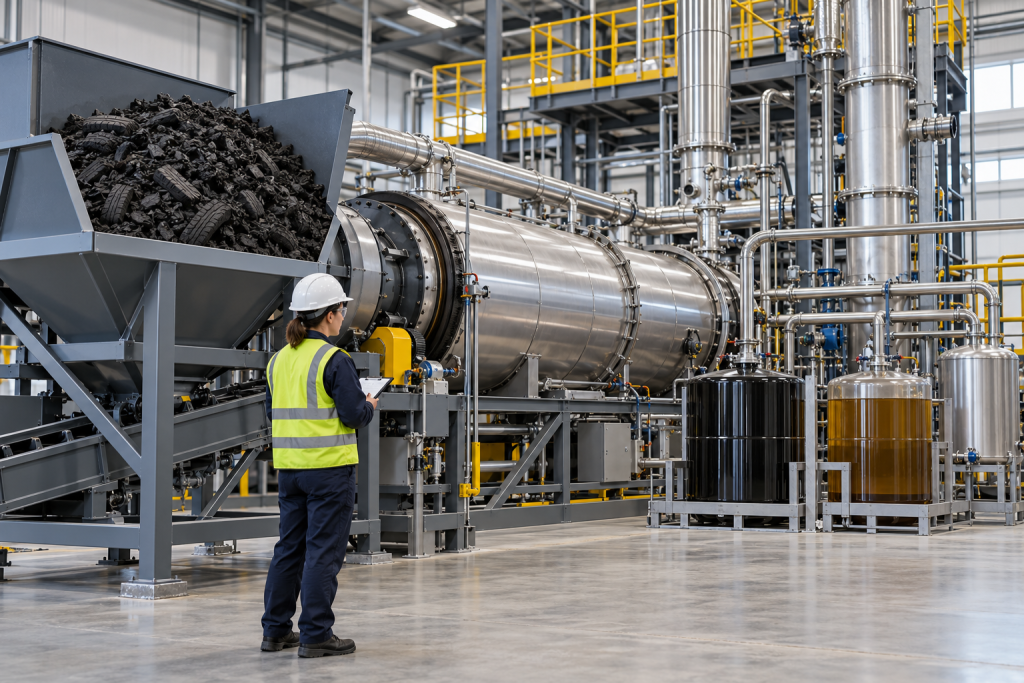
Recovered Carbon Black Europe 2026 runs in Amsterdam on 3–5 November. According to the official programme, a pre-conference workshop takes place on 3 November, followed by the main conference on 4–5 November. The central question is how recovered carbon black (rCB) can become a consistent, industrially qualified raw material.
Quality and collaboration lead the agenda
Organizer Smithers expects more than 350 representatives from the rCB supply chain. The first main-conference day features a Continental–Pyrum presentation on industrial validation and scaling, as well as a Bolder–Pirelli session on circular materials. Standardization, ash reduction, feedstock control and repeatable product quality also appear across the conference programme. These are scheduled topics, not evidence that a new commercial agreement or technical result has already been achieved.
What it means for rubber compounds
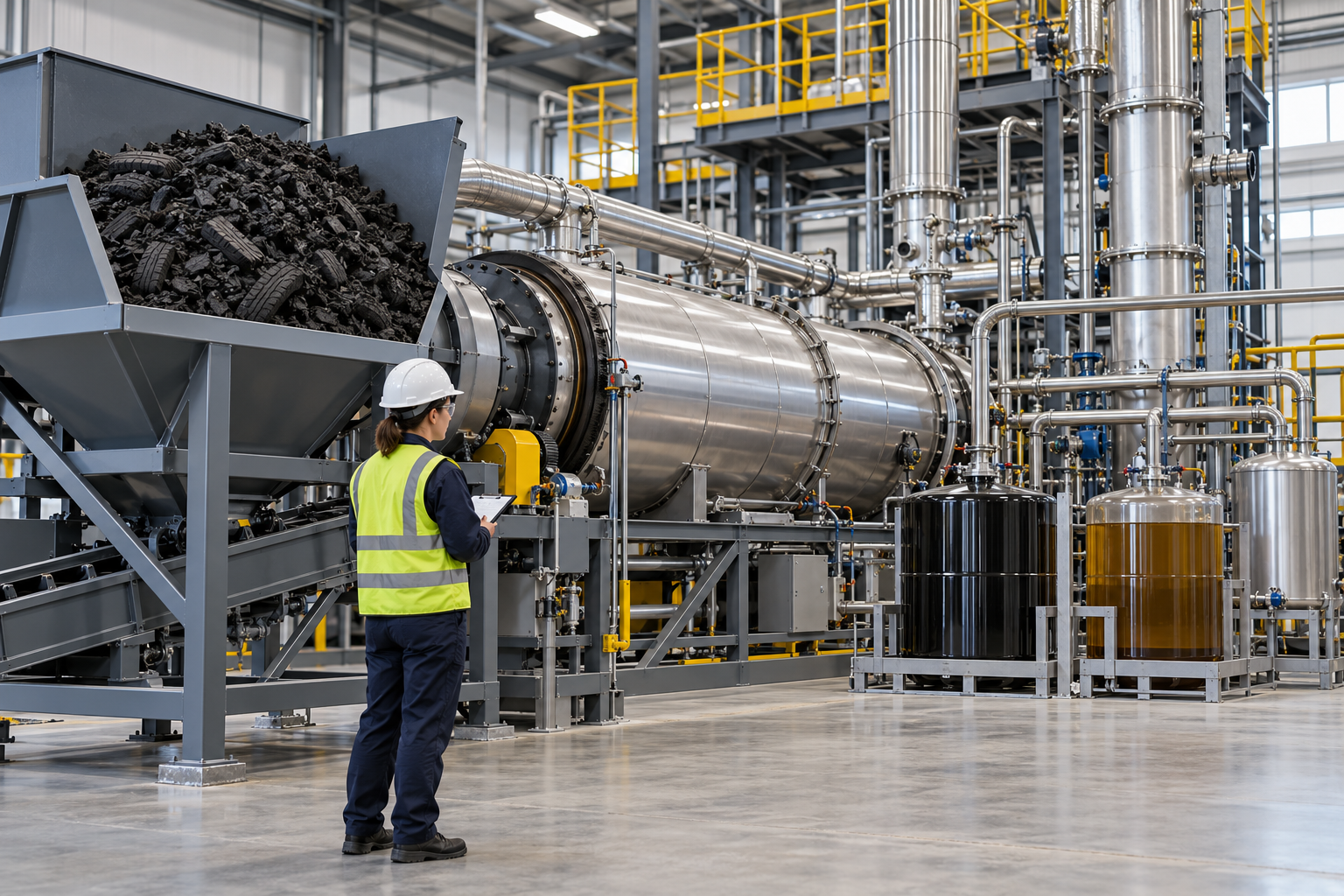
Recovered carbon black varies with the composition of end-of-life tires, pyrolysis conditions and upgrading steps. Fine particle size alone does not establish equivalence to virgin furnace carbon black. Ash, structure, particle distribution, dispersion and performance in the target compound all need validation before substitution.
Gohar Farayand analysis
Gohar Farayand analysis: The move toward industrial-scale rCB increases the value of consistent processing and quality control. However, recycled carbon, virgin reinforcing black and micronized black pigment are not interchangeable products without application testing.
Related Gohar Farayand product
For a related sourced rubber-compounding material, see Gohar Farayand’s N330 carbon black page. N330 is a trading and supply item, not manufactured by the company. N330 carbon black supply.
Primary sources: Smithers — Recovered Carbon Black Europe 2026; Conference agenda.
Editorial date: 4 November 2026