
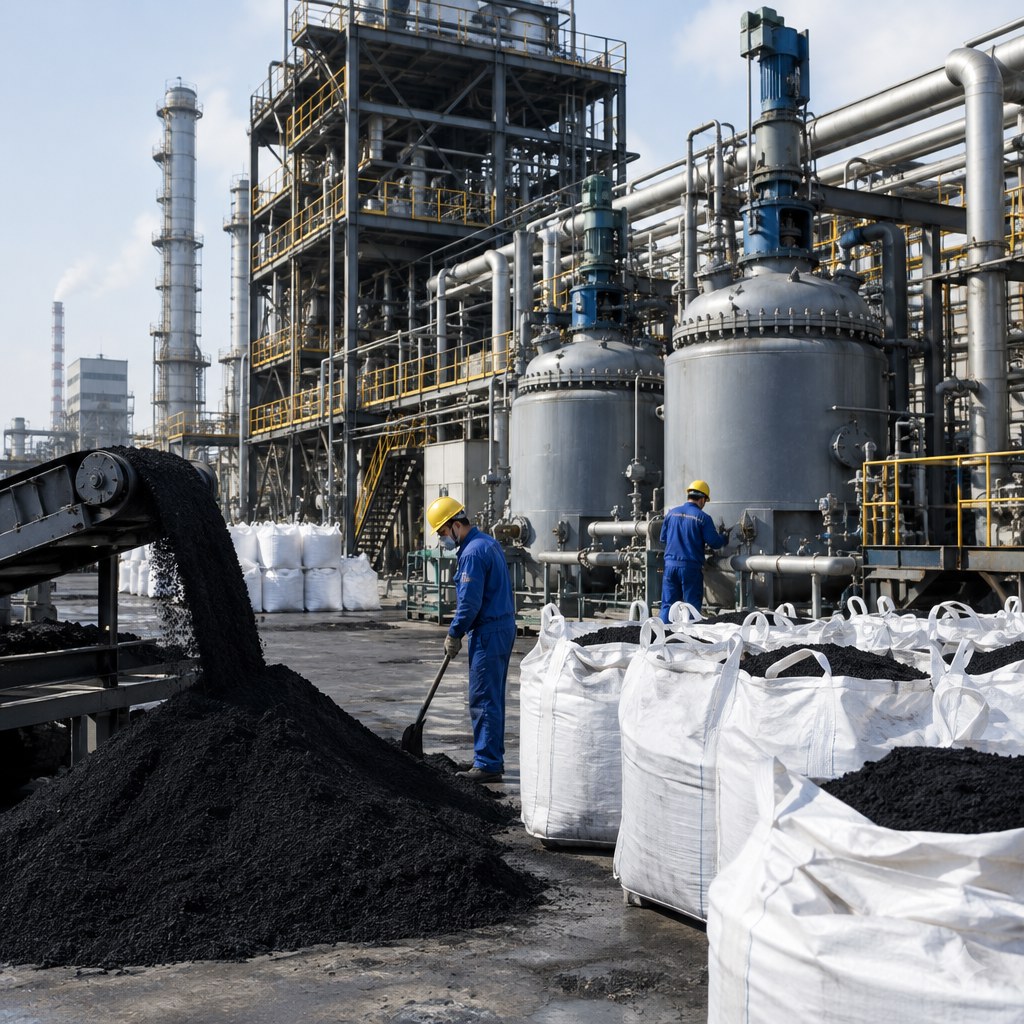
China’s factory-gate prices rose at their fastest pace in more than four years in September 2026. Reuters, citing official data, reported that the producer price index increased 5% year on year and 1.2% month on month. Higher oil and commodity prices created strong upstream pressure, particularly in fuel processing, chemicals and non-ferrous metals. Petroleum, coal and other fuel processing prices rose 8.4%, while chemical raw materials and products increased 2.4%.
This mix matters for China’s carbon black market because aromatic feedstock, energy and chemical-processing costs shape the production cost of rubber grades and black pigments. Consumer inflation was weaker than expected and domestic demand remains a constraint, so producers may not be able to pass the full cost increase to customers.
Analysis of this news
The simultaneous increase in fuel and chemical prices points to margin pressure for carbon black manufacturers. Producers with greater exposure to refinery feedstock or lower inventory coverage may revise quotations sooner. Yet China’s large capacity base and export competition can limit immediate pass-through.
For Asian buyers, the gap between Chinese domestic and export prices will be critical. If local demand stays soft, manufacturers may rely more on exports to maintain operating rates and absorb part of the cost shock. If energy disruptions persist, shorter quotation validity and greater volatility in freight and feedstock formulas are more likely.
Over the coming weeks, buyers should track carbon black feedstock oil, plant operating rates, port inventories and export offers for key grades. The PPI release is a useful cost-warning indicator, but it is not a substitute for actual carbon black transaction prices.
Source: Reuters, republished by MarketScreener, 14 October 2026.